
For the second-career professional ready to turn a passion for coffee into a thoughtfully built business—one that creates community, makes an impact, builds a legacy, and makes money.
The Most Effective & Trusted Self-Paced Program To Help You Launch Your Coffee Dream
Before you commit serious time, money, and energy to a coffee business, learn how to think through the decisions that can shape whether your concept works.
If you're serious about opening a coffee shop, launching a coffee cart, starting a roasting business, or building a coffee brand, you've probably discovered something already:
There are a lot more decisions involved than you first imagined.
How much will it actually cost to get started?
What does your business need to generate to break even?
How do COGS, labor, rent, and operating expenses affect whether your concept is financially viable?
How much working capital should you plan for?
What should you understand before choosing a location or signing a lease?
What equipment do you actually need?
I've spent nearly two decades building and growing businesses in the coffee industry.
And I created Coffee Entrepreneur Adventure to help you approach questions like these with greater clarity and confidence.
CEA is a self-paced online program that gives aspiring coffee entrepreneurs a practical roadmap for thinking through the business behind the dream.
Because your coffee dream deserves passion and purpose. But it also deserves preparation.
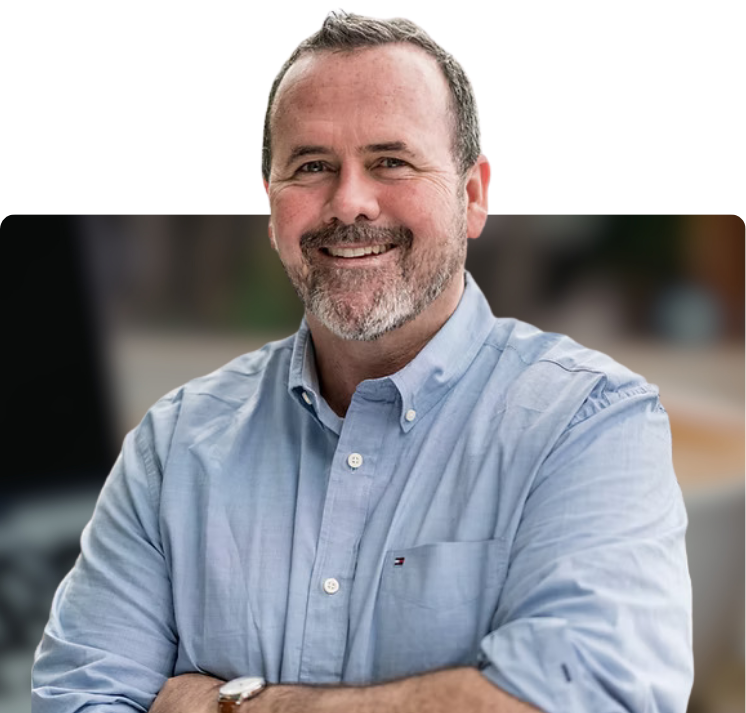
Hi, I'm Jonathan D. Golden.
I'm the founder of Land of a Thousand Hills Coffee, a mission-driven coffee company with cafés, roasteries, and partnerships across the U.S. and East Africa.
I didn’t start with investors, shortcuts, or a playbook.
I started with a calling, a small roaster I purchased off eBay, and a question:
Can business be good for the person building it, the people it employs, and the communities it serves?
Over the last two decades, I’ve built coffee businesses, real estate projects, leadership programs, and global partnerships — while learning (sometimes the hard way) what actually sustains meaningful work.
This course distills those lessons into a clear, humane path for people who want to build coffee businesses worth belonging to.
This Program Is for You If…
You feel called to coffee, not just interested in it
You want to open (or re-imagine) a café, roastery, or coffee business
You’re a second-career entrepreneur or thoughtful founder
You care about community, craft, and dignity — not just margins
You want clarity before committing major money or energy
You want systems without soulless corporatization
You want to build something that can last — and possibly scale
You don’t need prior coffee ownership experience.
You do need a willingness to think deeply and act intentionally.
This Program Is NOT for You If…
You’re looking for a get-rich-quick business model
You want a templated franchise-in-a-box with no reflection
You dislike introspection or leadership responsibility
You want hype, hacks, or influencer-style marketing tactics
You’re unwilling to engage with numbers, people, or systems
You want someone else to “do it for you”
This course is grounded, honest, and demanding — in the best way.
The Dream Is Exciting. But the Decisions Are Real.
I love the dream of starting a coffee business.
Creating a place where people gather. Building something you're proud of. Using coffee to create community, opportunity, and meaningful impact.
But at some point, the dream has to meet the numbers.
Your concept has to meet the market. And your vision has to meet real decisions about money, location, equipment, people, operations, and customers.
That's where many aspiring coffee entrepreneurs begin to feel overwhelmed.
So you research. You watch videos. You read books. You join groups. You ask other coffee entrepreneurs what they did. There's nothing wrong with any of that.
But eventually, you discover: Information Isn't the Same Thing as a Roadmap.
One person tells you one thing. Someone else tells you something completely different. And what worked for one coffee business, in one market, with one business model, may not make sense for yours.
Eventually, you have to make your own decisions. And some of those decisions involve serious commitments.
Guessing Can Get Expensive.
Buying equipment before you've thought through your concept, menu, volume, and budget can create unnecessary costs.
Choosing a location without understanding what the business needs to generate can create challenges later.
Underestimating startup expenses or working capital can put pressure on the business before it has time to gain traction.
Pricing without understanding COGS, labor, rent, and operating expenses can leave you with a business that looks busy while the underlying numbers tell a different story.
You can't eliminate every uncertainty from entrepreneurship. And no program can guarantee that every decision you make will be the right one. But you can prepare.
You can learn which questions to ask. You can understand the numbers behind your idea. You can challenge your assumptions before they become commitments. Because experience is a great teacher.
But you don't have to learn every lesson the expensive way.
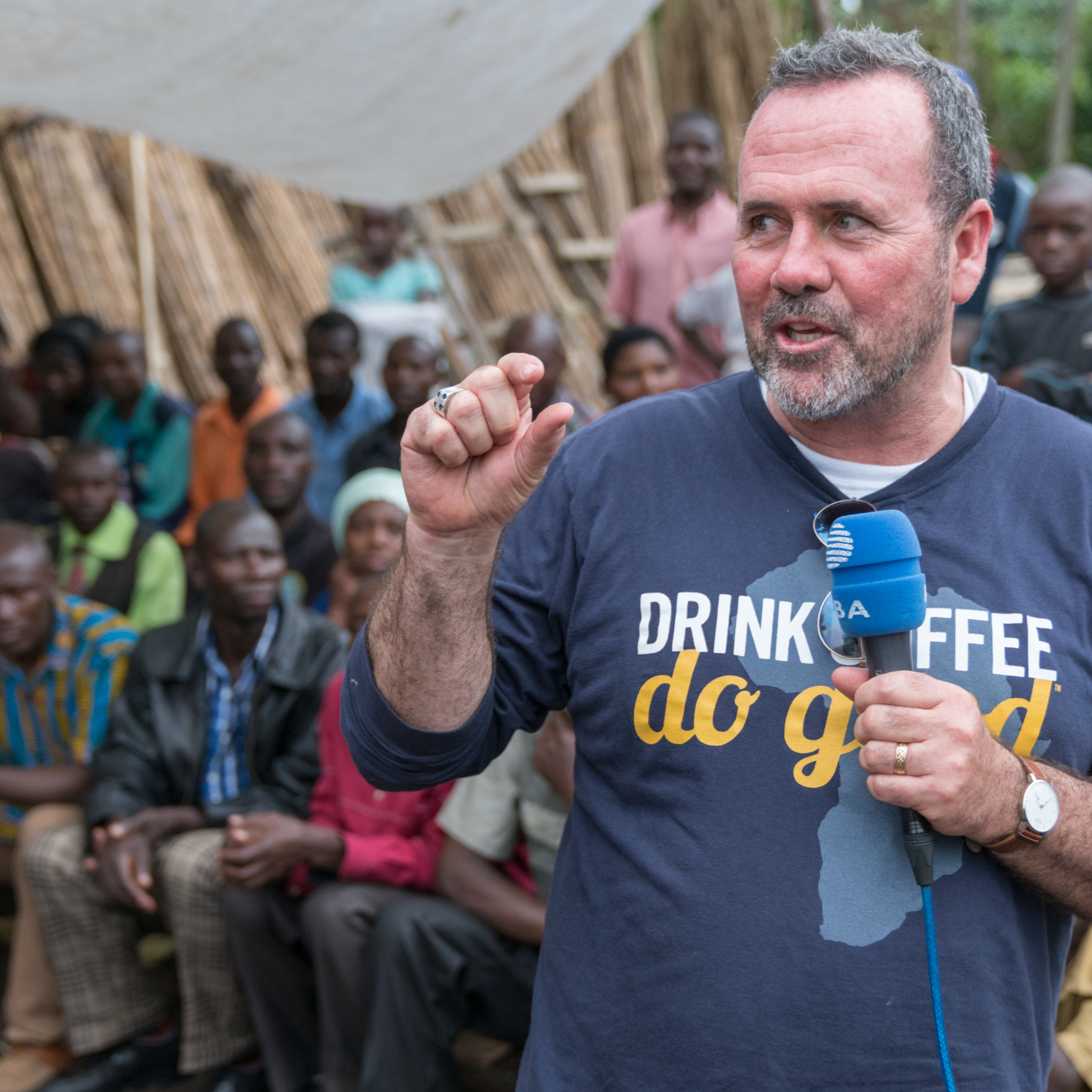
How Do I Know?
Because I've Walked This Road.
Nearly two decades ago, I stepped into the coffee business with a vision for what coffee could become.
Not simply a product.
But a way to bring people together, create opportunity, build community, and make a meaningful difference.
That vision led me to found Land of a Thousand Hills Coffee.
And along the way, I've had to wrestle with many of the same questions you may be asking today.
Money. Locations. Equipment. People. Operations. Customers. Growth. Purpose. And how to build something meaningful while still building a business that has to work financially.
Some decisions worked well. Others taught me lessons I would approach differently today. That's entrepreneurship.
And after nearly two decades, I realized: There are lessons I had to learn through experience that I can now share with someone who's just beginning the journey.
I can't make your decisions for you. But I can help you understand the terrain.
That's why I created Coffee Entrepreneur Adventure.
What is
Coffee Entrepreneur Adventure?
Coffee Entrepreneur Adventure is a comprehensive, self-paced online program designed to help you move from a coffee business idea toward a more thoughtfully planned business.
Think of it as a map for the expedition.
Not a cookie-cutter formula.
Not someone telling you exactly what your business has to look like.
A framework for helping you think more carefully about your concept, your numbers, and your next decisions.
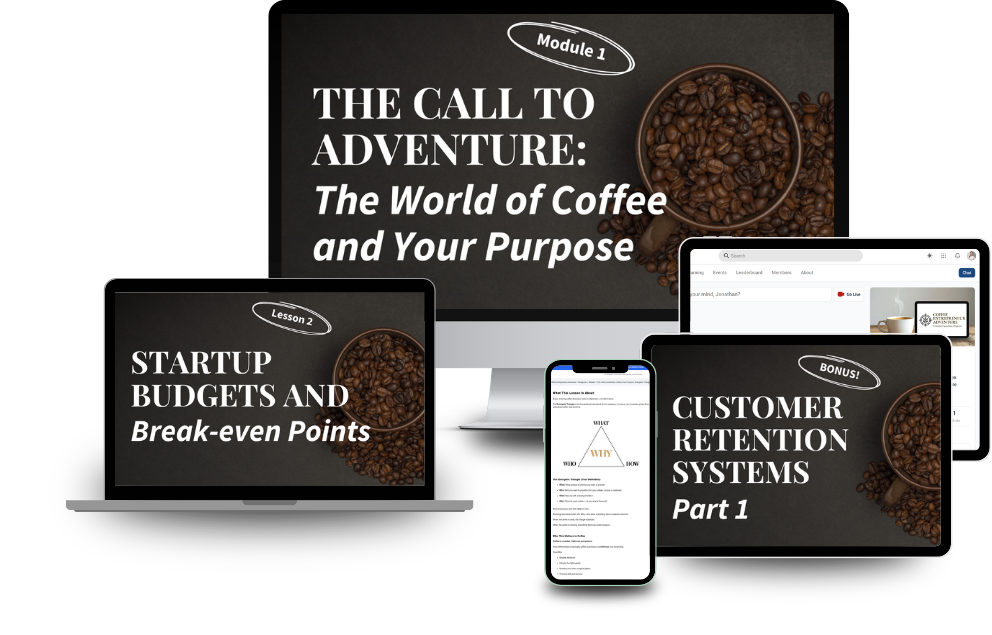
Inside CEA, we'll explore:
Purpose and concept development
Financial feasibility
Startup costs and budgeting
Break-even planning
COGS, labor, and operating expenses
Funding and working capital
Location and lease considerations
Coffee sourcing and equipment
Operations
Customer experience
Marketing and community
Leadership and mindset
Launching and growing
The goal isn't false certainty.
It's greater clarity about what you need to figure out next.
These Are the Questions Worth Asking
Before You Commit Serious Money.
How much will I actually need to get started?
Move beyond a rough number in your head and begin developing a clearer picture of what your particular concept may require.
What does my business need to generate to break even?
Think through your expenses, sales, and assumptions so you can begin understanding what the business may need to produce each month—and each day.
How many customers might that require?
Start connecting your revenue assumptions to actual transactions and customer volume.
Where does all the money go?
Understand how COGS, labor, rent, and other operating expenses affect the economics underneath the business.
How much working capital should I plan for?
Think beyond the cost of opening the doors and consider what the business may need after opening.
Is this actually the right location?
Look beyond whether you love a space and consider what the location and lease mean for your concept and business model.
What equipment do I really need?
Think about equipment in relation to your menu, workflow, anticipated volume, space, and budget—not simply what's newest or most impressive.
Does my concept make sense financially?
Bring together the business you want to create with the numbers that business needs to live with.
These aren't questions designed to talk you out of your dream. They're questions worth asking because the dream matters.
Your Roadmap to Building a Coffee Business
MODULE 1
The Call to Adventure: The World of Coffee and Your Purpose
Clarify why your coffee business exists and align your life and work.
MODULE 2
Mapping the Journey: Design Your Concept
Turn your idea into a coherent, differentiated coffee concept.
MODULE 3
Building Basecamp: Finance, Feasibility & Structure
Understand startup costs, sourcing, funding, and legal structure.
MODULE 4
Co-adventuring: Culture, People, Team & Training
Build a generative team and culture from the beginning.
MODULE 5
The Experience: Design, Menu & Flow
Design a physical and sensory experience that serves people well.
MODULE 6
Inviting Others to the Expedition: Marketing & Community
Market from meaning, not manipulation.
MODULE 7
Sustaining the Journey: Dashboards & Scaling
Create systems that support consistency and expansion with soul.
MODULE 8
The Summit: Launch & Live the Mission
Integrate everything and prepare to launch with clarity.
Enroll Today and Receive Over $7,000 in Bonuses
The CEA Community (Priceless!)
Business Plan & Financial Frameworks ($997)
Operations & Scaling Systems ($1,497)
Marketing & Launch Systems ($1,997)
Bonus Track – The Inner Expedition (Golden Mindset) ($997)
Powerful Meditations ($497)
Employee Assessments for Hiring, Coaching & Leadership Development ($1,297)
Here's everything
you'll get when you enroll today!
8 carefully sequenced modules
The CEA Community
Program Workbooks, Guides & Tools
Downloadable business templates
All bonus resources valued at over $7,000
The first live coaching call starts on March 10!
Start Building Your Coffee Business Today
Regular Investment
$1,997
Save 60% when you enroll today.
UNTIL OCTOBER 18 ONLY!
$797
This early bird pricing is available for a limited time before returning to the regular investment of $1,997.
PLUS! Get an additional $153 off when you enroll today! Just use the code BREW153 at checkout. This code is valid until TODAY only.
There are Two Ways to Get
Coffee Entrepreneur Adventure:
3 monthly PaymentS of
$297
ONE Payment of
$797
From “Where Do I Even Start?”
to “I Know What I Need to Figure Out Next.”
That's the transformation I want CEA to help create.
Not: “Now I know everything.”
But:
“I know which questions I need to ask.”
“I understand which numbers deserve my attention.”
“I know which assumptions I still need to investigate.”
“I have a clearer picture of the road ahead.”
That's a different kind of confidence. Not the confidence that comes from believing nothing can go wrong.
The confidence that comes from doing your homework.
What Coffee Entrepreneurs Are Saying
Frequently Asked Questions
Can't I just figure this out myself?
Absolutely.
There's an incredible amount you can learn from books, YouTube, podcasts, online communities, other entrepreneurs, and your own research.
The challenge isn't finding information. It's knowing what applies to your business and how all the pieces connect.
CEA brings lessons and frameworks developed through nearly two decades of coffee entrepreneurship into a structured roadmap designed specifically for aspiring coffee entrepreneurs.
You can piece everything together yourself.
CEA is for the person who sees value in beginning with a more organized map.
I'm still early in my idea. Is it too soon?
Not necessarily.
Early can be an incredibly useful time to ask these questions because you still have room to examine assumptions, develop your numbers, refine your concept, and change direction before certain decisions become commitments.
You don't need to have your coffee business figured out before joining CEA.
Figuring out what needs to be figured out is part of the journey.
What if I'm already further along?
CEA can also help you examine decisions you're already making.
If you're developing a budget, researching equipment, evaluating locations, exploring funding, or preparing to launch, you can focus more closely on the parts of the roadmap most relevant to you.
Is CEA only for traditional coffee shops?
CEA is designed for aspiring coffee entrepreneurs pursuing different kinds of businesses—including coffee shops and cafés, coffee carts and mobile concepts, roasting businesses, and coffee brands.
Naturally, not every decision will apply to every business in exactly the same way.
A mobile coffee business will have different location considerations than a traditional café. A roasting business may have different equipment, sourcing, and operational needs.
Your startup costs and financial model will depend on what you're building. That's exactly why I don't believe in giving every coffee entrepreneur one cookie-cutter formula.
CEA gives you a framework for thinking more thoughtfully about the coffee business you're actually building.
Will CEA tell me exactly how much my coffee business will cost?
Your costs depend on your concept, market, location, space, equipment, menu, operating model, and many other variables.
CEA helps you understand the categories, financial concepts, assumptions, and questions you'll need to investigate as you develop your own numbers.
Will CEA tell me whether my business will succeed?
Entrepreneurship doesn't come with that guarantee.
CEA isn't designed to eliminate risk. It's designed to help you approach that risk with greater preparation and a clearer understanding of the decisions you're making.
There's a big difference between certainty and clarity.
CEA doesn't promise certainty. It's designed to help you work toward greater clarity.
Does Coffee Entrepreneur Adventure include personal coaching with Jonathan?
CEA is a self-paced online program.
Your enrollment fee does not include private coaching sessions, live coaching calls, or one-on-one access to me.
CEA students may have an opportunity to purchase private coaching separately if they'd like personalized guidance for their specific business.
Any private coaching is optional and is not included in CEA.
Why spend $797 on this instead of putting that money toward my business?
That's a fair question. And ultimately, only you can decide where your resources should go.
But I'd encourage you to think about when you're doing your learning.
As your coffee business moves forward, you may eventually make financial commitments around things like:
Equipment. A location. A lease. Inventory. Staffing. Startup expenses. Working capital.
And other costs involved in turning your idea into an operating business.
I can't promise that spending $797 on CEA will save you a specific amount of money later.
And I can't promise you'll never make a decision you wish you'd approached differently.
What I can give you is the perspective I've developed over nearly two decades in the coffee business—organized to help you ask better questions and think more carefully about your own decisions.
CEA gives you an opportunity to do more of that thinking before many of those decisions become commitments.
So instead of asking only: “Could I put this $797 toward my equipment?”
I'd also consider asking: “How prepared do I want to be before I start making much larger investments in this business?”
If you're serious about investing in a coffee business, I believe investing in your preparation deserves consideration too.
Can I get a refund if I change my mind?
Because Coffee Entrepreneur Adventure is a digital program and you receive access to the course materials after enrolling, all purchases are final and non-refundable.
Please review everything included on this page before enrolling to make sure CEA is right for you.
Your Coffee Dream Deserves Passion.
And Preparation.
You don't need to know exactly where this adventure will take you.
But before you sign the lease…
buy the equipment…
commit your capital…
or turn your assumptions into expensive decisions…
give yourself the opportunity to prepare.
That's what I've built Coffee Entrepreneur Adventure to help you do.
Not to make every decision for you. Not to remove every risk.
But to give you a better map for the road ahead.
Because a thoughtfully built coffee business needs both:
Heart and economics.
Purpose and preparation.
Vision and a plan.
If you're serious about building your coffee business, I'd be honored to help you chart your course.

2026 Golden Expedition | All rights reserved